
 |
| https://treadingmyownpath.com/2019/06/20/plastic-free-veterans/ |
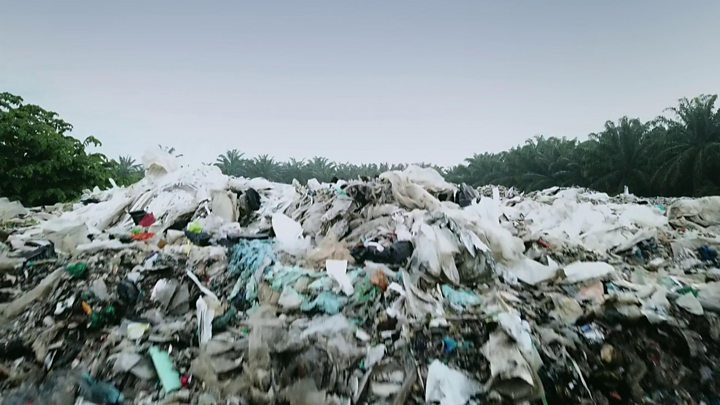 |
| https://ichef.bbci.co.uk/images/ic/720x405/p07c9lv4.jpg |
It amazed me when right after the big push for less single-use plastic and plastic bags happened, the local supermarket (That's you ASDA) started packaging root ginger in bags. They hadn't done this up to that point and I was wondering why? it's not a product that goes off quickly. Garlic now comes in plastic net bags - Really ASDA there is no need, and that's before we get started on all the other single-use plastic - Yes I have been watching Hugh and Anita's War on Plastic on iplayer.
I know this is not the only ecological concern with three biggies being Plastics, Transport and Meat-based food products. It sometimes seems like we are powerless to effect a change. and that is the biggest barrier to change - while we do nothing, nothing changes.
Unesco gives some facts about marine pollution here.
This issue will have a long-lasting impact on our planet. I strongly believe that we are to be good stewards of our world and care for it in the best way that we can. To enjoy it wisely and make it better for those who come after us. I think we failed! So can we make it better? I don't honestly know but I think we have to try. I've listed some ideas - these are things I can work on - and a few challenges for myself too. This is nowhere near an exhaustive list and I'd love to hear how you are doing this.
Lindsay Miles of Treading My Own Path has way more ideas that you can explore - she's been doing this much longer than I have.
What can we actually do?
Lobby your local MP and vote for the candidates that will address these concerns.
Transport
1. Limit flights we make. This is a biggie for reducing our carbon footprint. I don't actually fly often these days, but I know those who do. If it's short haul is there another option? train, ferry etc
2. Use public transport. If you can, take the bus, train, subway, tube, metro. Here in the UK, the cost of this can fluctuate dramatically, depending on where you live - maybe it's time to campaign for lower fares so more people will choose to use this option.
For me- I have to drive to work. It's too far to cycle safely and the buses are infrequent and I have to get three different ones! So from September, I'm planning to car share with a colleague. My daughter will also be journeying with me on her way to college.
I do have a really small C1 car!
3. If you are able, invest in an electric car or if you need to travel further a hybrid. These are still out of our price range right now but once we can afford it, we will.
4. If travelling locally - walk or cycle. Try to shop locally too!
5. Are you able to work more locally? Could you move nearer your job or look for work closer to where you live?
Food
This one comes under both transport and plastics!
It's really easy to get produce out of season these days - but what is this doing to our environment? Consider the food miles of your goods - are they produced locally or have they come from the other side of the world?
It's often more expensive to buy loose food than the pre-packed identical items. This didn't use to be the case. Loose good were on sale at a much cheaper cost than pre-packed. and it's not too long ago we had "Bin" shops, where produce was stored in big tubs and you helped yourself to whatever you needed. I'd love to see more of these stores returning.
1. So firstly - try to shop locally. Buy from the farm shop, the butcher and baker down the road, not only help keep food miles down, you'll be keeping the local community going.
2. Eat less red meat. If you're not ready for a plant-based diet, try to reduce the amount of red meat eaten and try to increase veg based food a few days a week.
3. Buy loose food when you can and use zero waste shops if there's one close by. Reuse bags, Tupperware, etc. for packaging your purchases. Invest in some strong tote bags to pack your shopping.
4. Look for products that are packaged in glass or cardboard (eg. bars of soap rather than bottles of liquid soap).
5. Lobby your local supermarket to invest in biodegradable cellulose packaging for products that really need a protective covering and lobby them to ditch the single-use and provide opportunities for refills.
6. Invest in a refillable water bottle and use it rather than buying plastic ones.
7. Compost! over the years we have tried to grow a few things, but we've not always been very successful. However, we're trying to set up some raised beds and start to grow the food we eat. I know we won't be able to cover it all, but we're making a start and that means we can start to compost our food waste to use on the beds.
Plastics
Over a year ago I became more aware of the plastics I was using in my sewing and I have been trying to reduce this as much as possible over the year. I try not to buy synthetics unless absolutely necessary - I don't really like wearing them anyway! but I'm looking much wider now and trying to think about how I can reduce single-use plastic at home and work.
1. Back to the water again - stopping buying sparkling water in plastic bottles. we're going to try using CO2 from John's brewing kit to carbonate water instead - I'll let you know how we get on - otherwise, it might be a soda stream. On my recent school trip to London, we asked all the children to bring a reusable water bottle. We were staying at a YHA and they have stopped giving out bottled water and instead provide a refill station in the canteen for topping up bottles.
2. Avoiding using cling film and choosing cloth, beeswax wraps, waxed paper food covering instead.
3. Order milk to be delivered in glass bottles.
4. Reuse tubs for storage - I take mine to work to store pastels and bits and bobs in the classroom.
5. Store foods in glass jars or rigid plastic tubs that have a long long life and can be recycled.
6. Use a refill store if you have one.
7. Buy toiletries in card or glass, Use bars of soap and shampoo - places like LUSH sell these amongst others. switch to bamboo toothbrushes.
8. Refuse plastic straws. when I had Bells Palsy a few years ago we bought some metal straws, they are great! Many places now will offer biodegradable straws including the Rainforest Cafe in London - I was there this week. I still think for the most part straws are generally unnecessary.
As an artist, I have used acrylic paints. but I'm making a commitment to not replace these and switch to a more environmentally friendly alternative. I will use up what I have, but I'm not buying any more. The same goes at work. I haven't ordered any acrylic this year and instead have opted for the tempera block paints, which come in boxes.
So after all that - I'm still faced with the plastic wrappers that come in packaging, through the post, around my salad, chocolate bars, tea bags, crisps...
What do we do with it?
Of course, we can try to reduce how much we use, and we should. but until the government and shops catch up there is still going to be some of that stuff around. It can't be recycled yet!!!
At home, we're going to start to grow some of our own veg. It's a bit late this year to really get going, but we're hoping to get some quick growing salad and greens in and then we're setting up some raised beds ready for planting. My hubby has bought this book.

I was wondering how I could reuse these plastic products so that they don't end up straight in the bin.
I'm planning some experiments with fused plastics to create durable wraps, bags, purses, pencil cases so that these materials are re-used. I know it doesn't solve the issue. but keeping them out of the landfill as long as possible and hopefully, there will be some developments and they may one day be able to be recycled.
Woooah that was a long post. How do you feel about all this and what are you trying to do?
I think I'll leave you with this. This is my favourite band and they have a lot to say about a lot of this stuff - and more. Have a listen!


